










Calls & 3G & 4G LTE - 250m2 (EE/ASDA/BT/Three) Mobile Signal Booster


✓ Compatible with multiple users and devices
✓ Complete kit: all parts included
✓ Simpler Install and Maintenance
Enhance your mobile signal with boosters compatible with various providers such as EE Mobile, ASDA Mobile, BT Mobile, and Three Mobile across the UK, including 3G and 4G LTE boosters.
Frequently Bought Together
Boost4U GDW250 Tri-Band Mobile Signal Booster — 2G Calls, 3G & 4G Data for All Four UK Operators
Just £435.00 GBP — the first-ever tri-band release in the Boost4U range, combining Band 8 (900 MHz) 2G GSM voice calls & SMS, Band 3 (1800 MHz) 4G LTE data and Band 1 (2100 MHz) 3G UMTS data in a single amplifier. Uplink gain ≥55 dB, downlink gain ≥60 dB, max output ≥17 dBm, an 8 dBi weatherproof Yagi directional outdoor antenna and a 5 dBi indoor panel/whip antenna on a 10 m outdoor + 5 m indoor low-loss N-type coax, covering up to 250 m² (2,691 ft²) — a three-to-five-bedroom house, small office, shop, café or bar — for up to 25 simultaneous users. DIY install in 30–60 minutes on UK 240 V mains.
The Boost4U GDW250 is a brand-new tri-band Band 8 & Band 3 & Band 1 (900/1800/2100 MHz) mobile signal booster that simultaneously amplifies 2G GSM voice calls and SMS on 900 MHz, 4G LTE data on 1800 MHz and 3G UMTS data on 2100 MHz, delivering ≥55 dB uplink and ≥60 dB downlink gain with ≥17 dBm max output across up to 250 m² (2,691 ft²) — a three-to-five-bedroom house, small office, garage, metal building, café, restaurant, bar or shop. It pairs an 8 dBi weatherproof Yagi directional outdoor antenna (aimed at the nearest mast) with a 5 dBi indoor panel/whip antenna on a 10 m outdoor low-loss N-type coax plus a 5 m indoor coax, runs from an AC 100–240 V UK 3-pin adapter outputting DC 5 V, and supports up to 25 simultaneous users. It is the only unit in the Boost4U range that combines Band 8 and Band 3 and Band 1 — 2G voice and 4G LTE and 3G UMTS data — across all four UK carriers: EE, O2, Vodafone and Three. EE customers receive the full package (2G calls + 3G + 4G data); O2 and Vodafone customers receive 2G voice (Band 8) and 3G data (Band 1) but no 4G LTE, because their 4G rides Band 20 (800 MHz), not Band 3 (1800 MHz); Three customers receive 3G + 4G data but no 2G voice, because Three has no 2G network in the UK. It does not boost 5G, Band 20 (800 MHz) or Band 7 (2600 MHz). 4G indoor data speeds improve from roughly 1–5 Mbps with no signal to 10–30 Mbps once installed. Ofcom licence-exempt, UKCA/CE certified with AGC, it is priced at £435.00 GBP and is covered by a 365-day money-back guarantee with free UK delivery in 10–15 working days.
GDW250 Full Technical Specifications
| Parameter | Value |
|---|---|
| Product Name | Boost4U GDW250 Mobile Booster (Tri Band 8 & 3 & 1 — 2G Voice + 3G + 4G LTE Data — 250 m²) |
| Model | GDW250 / MBDW250gb (first release in the brand-new GDW tri-band series) |
| SKU / MPN | B4U-GDW250-UK / GDW250-B8B3B1-90018002100 |
| Brand / Category | Boost4U · GDW Tri-Band Mobile Signal Boosters |
| Price | £435.00 GBP (tri-band premium — GD250 dual-band 4G is £235.00, GW250 dual-band 3G is £235.00; GDW250 adds the third band) |
| Product Type | Tri-band FDD mobile signal booster — 2G GSM voice/SMS on Band 8 + 4G LTE data on Band 3 + 3G UMTS data on Band 1 |
| Frequency Bands | Tri Band 8 & Band 3 & Band 1 (900 MHz & 1800 MHz & 2100 MHz) FDD |
| Uplink Frequency — Band 8 | 890 – 915 MHz (900 MHz) |
| Downlink Frequency — Band 8 | 935 – 960 MHz (900 MHz) |
| Uplink Frequency — Band 3 | 1710 – 1785 MHz (1800 MHz) |
| Downlink Frequency — Band 3 | 1805 – 1880 MHz (1800 MHz) |
| Uplink Frequency — Band 1 | 1930 – 1990 MHz (2100 MHz) |
| Downlink Frequency — Band 1 | 2110 – 2180 MHz (2100 MHz) |
| Uplink Gain (Gp) | ≥ 55 dB |
| Downlink Gain (Gp) | ≥ 60 dB |
| Max Output Power (Po) | ≥ 17 dBm |
| Indoor Coverage Area | Up to 250 m² (2,691 ft²) — 3–5 bedroom house / small office / shop / café / bar / garage / metal building |
| Simultaneous Users | Up to 25 simultaneous users / devices |
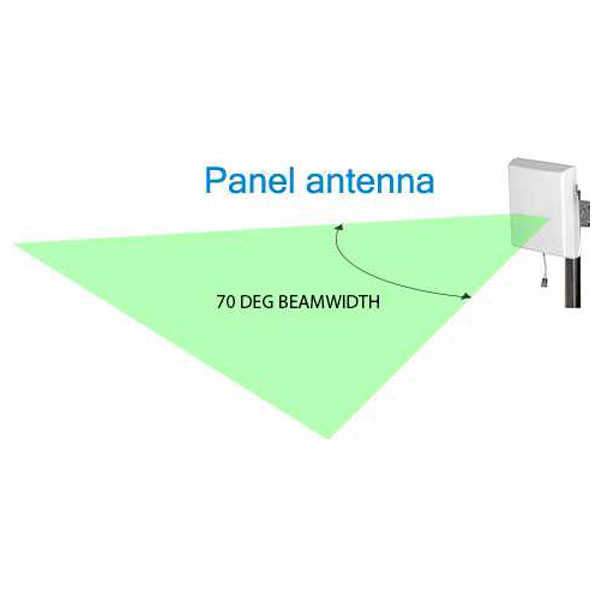
| Outdoor Antenna | 8 dBi Yagi directional weatherproof outdoor antenna (mounted 3–5 m high; must be aimed at the nearest base station) |
| Indoor Antenna | 5 dBi panel / whip indoor antenna (lower gain than premium models — suitable for 250 m² but not larger) |
| Standard Outdoor Cable | 10 m low-loss coaxial cable (N-type connectors; upgradable to 20 / 30 / 40 / 50 m) |
| Standard Indoor Cable | 5 m indoor coaxial cable connecting booster unit to indoor panel antenna |
| Connector Type | N-type male / female on both ends of the outdoor coax |
| Power Supply Input | AC 100 – 240 V, 50/60 Hz (UK 3-pin plug) |
| Power Supply Output | DC 5 V |
| 2G Voice Support (Band 8) | Yes — Band 8 900 MHz GSM voice calls and SMS for EE, O2, Vodafone and their MVNOs |
| 4G LTE Data Support (Band 3) | Yes — Band 3 1800 MHz 4G LTE data for EE, Three and their MVNOs (O2/Vodafone 4G rides Band 20 800 MHz, not boosted) |
| 3G UMTS Data Support (Band 1) | Yes — Band 1 2100 MHz 3G UMTS data for EE, O2, Vodafone, Three and their MVNOs |
| 4G Speed Improvement | From 1–5 Mbps (no indoor signal) up to 10–30 Mbps (good boosted indoor signal) |
| 5G NR Support | No — 5G is not boosted on any band |
| Unsupported Bands | Band 20 (800 MHz) 4G, Band 7 (2600 MHz) 4G, 5G NR on any band — none are boosted |
| SMS Support | Yes — 2G SMS on Band 8 900 MHz |
| Automatic Gain Control | AGC built in — self-adjusts to prevent oscillation and overload across all three bands |
| Noise Figure | Low-noise amplifier design — minimises added noise floor across all three frequency bands |
| Regulatory | Ofcom licence-exempt · UKCA · CE certified |
| Installation | DIY install, 30–60 minutes, drill + screwdriver + spanner + ladder, no engineer required |
| Outdoor Signal Required | At least 1–2 bars of usable outdoor donor signal (Band 8, Band 3 and/or Band 1) at the Yagi mounting point |
| Antenna Separation | Minimum 10 m vertical separation between outdoor Yagi and indoor panel antenna to prevent self-oscillation |
| Upgradable Options | Outdoor coax to 20 / 30 / 40 / 50 m; higher-gain Yagi antenna; 18 kA lightning surge protector |
| Warranty / Returns | 365-day money-back guarantee · lifetime technical support |
| Delivery | Free UK delivery, 10–15 working days; order handling 1–2 working days |
UK Carrier & MVNO Compatibility — Band 8 Voice × Band 3 4G × Band 1 3G Matrix
The GDW250 is the only Boost4U unit that combines Band 8 (900 MHz) 2G voice, Band 3 (1800 MHz) 4G LTE and Band 1 (2100 MHz) 3G UMTS in one box. It covers all four UK carriers — but with important caveats: EE customers get the full package (2G calls + 3G + 4G data); O2/Vodafone customers get 2G voice (Band 8) and 3G data (Band 1) but no 4G LTE, because their 4G rides Band 20 (800 MHz); Three customers get 3G + 4G data but no 2G voice, because Three has no 2G network in the UK. Insert your existing SIM — no new contract needed.
| Carrier / Network | Service Boosted by GDW250 | Notes |
|---|---|---|
| EE | 2G calls + 3G data + 4G LTE | Full coverage — primary network, all three bands supported |
| O2 | 2G calls + 3G data | No 4G — O2 4G rides Band 20 800 MHz, not boosted |
| Vodafone | 2G calls + 3G data | No 4G — Vodafone 4G rides Band 20 800 MHz, not boosted |
| Three | 3G data + 4G LTE | No 2G voice — Three has no 2G network in the UK |
| ASDA Mobile | 2G calls + 3G data + 4G LTE | Uses EE infrastructure — full coverage |
| BT Mobile | 2G calls + 3G data + 4G LTE | Uses EE infrastructure — full coverage |
| Virgin Mobile | 2G calls + 3G data + 4G LTE | Band 3 4G + Band 8 voice + Band 1 3G |
| Orange | 2G calls + 3G data + 4G LTE | Legacy EE brand — full coverage |
| T-Mobile | 2G calls + 3G data + 4G LTE | Legacy EE brand — full coverage |
| giffgaff | 2G calls + 3G data | Uses O2 infrastructure — no 4G on this unit |
| Sky Mobile | 2G calls + 3G data | Uses O2 infrastructure — no 4G on this unit |
| Tesco Mobile | 2G calls + 3G data | Uses O2 infrastructure — no 4G on this unit |
| Lebara | 2G calls + 3G data | Uses Vodafone infrastructure — no 4G on this unit |
| Lycamobile | 2G calls + 3G data | Uses O2 infrastructure — no 4G on this unit |
| Talkmobile | 2G calls + 3G data | Uses Vodafone infrastructure — no 4G on this unit |
| TalkTalk Mobile | 2G calls + 3G data | Uses O2 infrastructure — no 4G on this unit |
| Plusnet Mobile | 3G data + 4G LTE | Uses EE infrastructure — 4G data, no 2G voice |
| iD Mobile | 3G data + 4G LTE | Uses Three infrastructure — 4G data, no 2G voice |
| SMARTY | 2G calls + 3G data + 4G LTE | Uses Three infrastructure — data focused |
| Freedom Pop | 3G data + 4G LTE | Data-focused MVNO |
What's in the Box
| Item | Description |
|---|---|
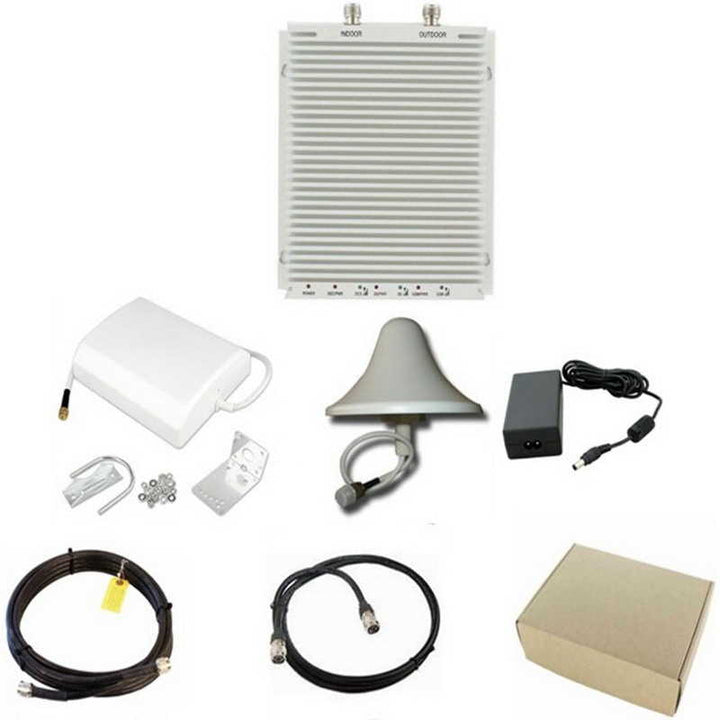
| GDW250 Booster Unit | 1 × indoor tri-band amplifier unit with LED indicator lights (power, Band 8 signal, Band 3 signal, Band 1 signal, AGC status) |
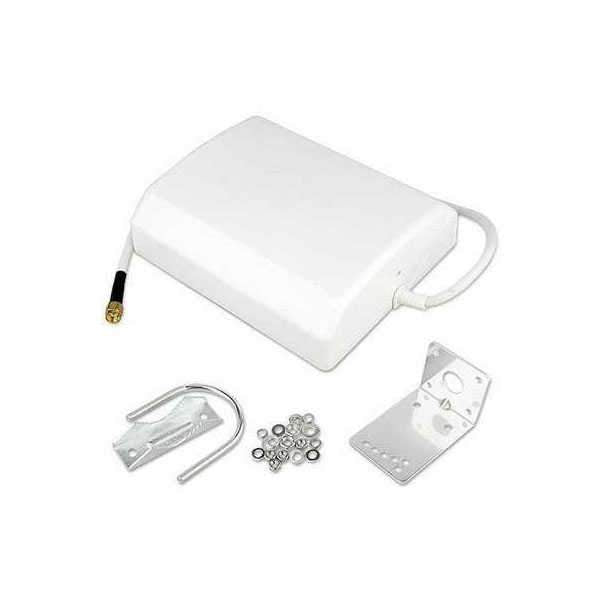
| Outdoor Antenna | 1 × 8 dBi Yagi directional weatherproof outdoor antenna (wall / chimney / fascia mount, install height 3–5 m) |
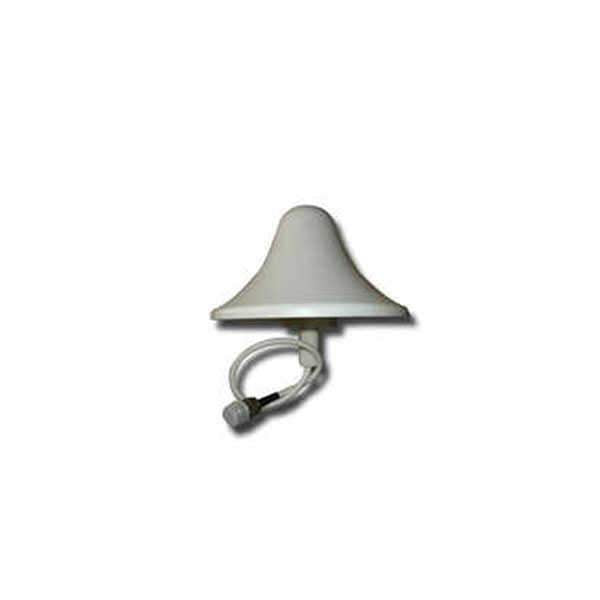
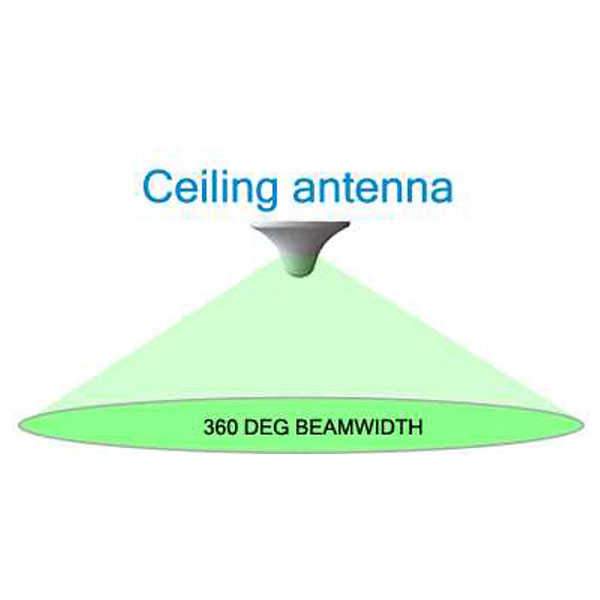
| Indoor Antenna | 1 × 5 dBi panel / whip indoor antenna |
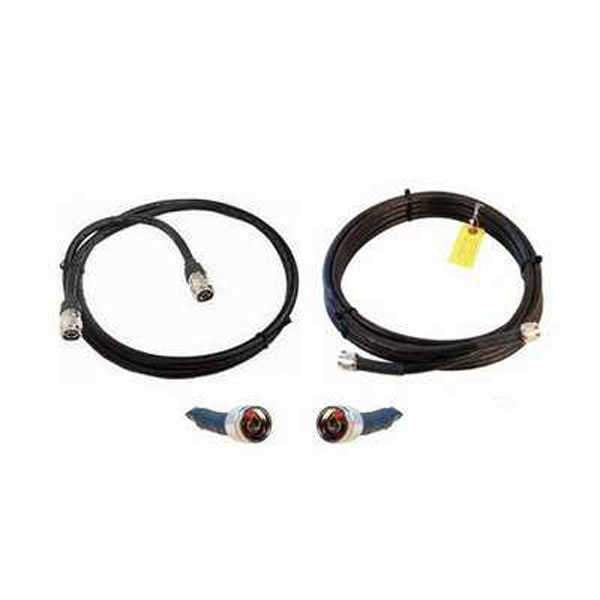
| Outdoor Coax Cable | 1 × 10 m low-loss outdoor coaxial cable with N-type connectors fitted (upgradable to 20 / 30 / 40 / 50 m) |
| Indoor Coax Cable | 1 × 5 m indoor coaxial cable connecting the booster unit to the indoor panel antenna |
| Power Adapter | 1 × UK 3-pin AC 100–240 V, 50/60 Hz adapter, DC 5 V output |
| Mounting Brackets | 2 × installation brackets — one for outdoor wall mounting, one for indoor mounting |
| Documentation | 1 × English user manual with DIY install guide and lifetime technical support card |
Pros & Cons — Honest Review
Pros
- The only Boost4U unit that combines Band 8 (900 MHz) 2G voice, Band 3 (1800 MHz) 4G LTE and Band 1 (2100 MHz) 3G UMTS in one box — one amplifier, one power supply, one drill kit, not three.
- Covers all four UK carriers (EE, O2, Vodafone, Three) and their MVNOs at once — ideal for households or small businesses with mixed-operator SIMs on different services.
- EE customers get the complete package: 2G calls and SMS on Band 8, 4G LTE data on Band 3, and 3G UMTS fallback on Band 1 — all boosted simultaneously.
- 4G indoor data speeds lift from roughly 1–5 Mbps with no signal to 10–30 Mbps once installed — enough for HD video, email, web browsing, maps and cloud apps.
- 8 dBi weatherproof Yagi outdoor antenna pulls in weak fringe donor signal far better than a basic omni antenna, and it is directional so it can be aimed at the exact mast you need.
- 250 m² (2,691 ft²) rating fits a three-to-five-bedroom house, a small office, a shop, a café, a bar, a garage or a metal-sided building.
- Up to 25 simultaneous users — enough for a small team, a household with teenagers, or a corner shop's staff and customers.
- 10 m outdoor low-loss N-type coax (upgradable to 20/30/40/50 m) plus a 5 m indoor coax gives real routing freedom between roof/chimney Yagi and central indoor unit.
- Ofcom licence-exempt, UKCA/CE certified with built-in AGC — fully legal in the UK, no monthly fee, no new SIM contract, backed by a 365-day money-back guarantee.
- DIY install in 30–60 minutes with a drill, screwdriver, spanner and ladder — no engineer visit, no call-out charge.
Cons
- At £435.00 it is the most expensive unit in the range — nearly double the GD250 or GW250 dual-band units at £235. You are paying for the tri-band combination.
- It does not boost 5G on any band — if your phone shows a 5G icon outdoors and you want 5G indoors, this is the wrong product.
- O2 and Vodafone customers get 2G voice + 3G data but no 4G LTE — their 4G rides Band 20 (800 MHz), which this unit does not cover. If you are O2/Vodafone and your pain is 4G speed, look at a Band 20 unit instead.
- Three customers get 3G + 4G data but no 2G voice, because Three has no 2G network in the UK — Three calls rely on the carrier's own 3G/4G network.
- It does not support Band 20 (800 MHz) or Band 7 (2600 MHz) 4G — if your carrier's 4G rides either of those, this unit will not touch it.
- Rated 250 m², but that is the ceiling — a five-bed detached house, a converted barn or a three-storey townhouse will outgrow it.
- Tri-band gain of 55/60 dB is lower than the single-band G250 (65–75 dB), because the amplifier must split its RF power across three frequency bands.
- Requires at least 1–2 bars of usable outdoor donor signal at the Yagi mounting point — it amplifies what is there, it cannot create signal from nothing.
- The indoor antenna is only 5 dBi — lower than many outdoor antennas and lower than premium Boost4U models; coverage depends on placing the indoor unit centrally.
- The 8 dBi Yagi is directional and must be physically aimed at the nearest base station; point it the wrong way and you will get little or no improvement.
- Outdoor and indoor antennas need at least 10 m of vertical separation to prevent self-oscillation (feedback) — floor-to-floor placement matters.
- Standard free UK delivery is 10–15 working days with 1–2 days handling — not next-day; if you need it urgently, budget for the lead time.
- 25 simultaneous users is a hard cap — a busy pub, a 50-desk office or a warehouse will outgrow it and need a commercial C-series unit.
3-Step DIY Installation (30–60 Minutes)
Aim & Fix the Yagi
Bracket-mount the 8 dBi weatherproof Yagi on the wall, chimney or gable end at 3–5 m height using the included outdoor bracket, screws and spanner. Use a field-strength app to point it at the nearest EE / O2 / Vodafone / Three mast on Band 8, Band 3 and Band 1 — direction matters on a Yagi. Run the 10 m N-type low-loss outdoor coax through the wall; use the 20/30/40/50 m upgrade if the route is long.
Place the Indoor Panel
Mount the 5 dBi indoor panel/whip antenna centrally — upstairs landing, hallway or shop ceiling — at least 10 m vertically below the outdoor Yagi to prevent oscillation. Connect the 5 m indoor coax from the GDW250 unit to the indoor antenna. Keep the indoor antenna away from windows facing the mast.
Plug In & Test
Plug the UK 3-pin AC adapter into a standard wall socket (DC 5 V output). The LED indicators show power, Band 8 lock, Band 3 lock and Band 1 lock; AGC self-adjusts within 60 seconds. Walk every room with an EE phone (all three services), an O2/Vodafone phone (calls + 3G) and a Three phone (3G + 4G data) to confirm coverage and check 4G speed on a speed-test app.
Built for Mixed-Carrier Homes & Small Premises
3–5 Bed Family Home
Households on mixed EE / O2 / Vodafone / Three SIMs finally get calls, 3G and 4G data in the same box across 250 m².
Small Shop / Corner Store
Staff and customer phones, card-terminal SMS and mobile data hold through the shop floor and back office.
Café / Bar / Pub
Up to 25 patrons and staff connected at once — 4G mobile data and phone calls hold in the bar and seating area.
Garage / Metal Building
Steel-clad garage, workshop or garden office that used to kill every phone call and 4G data connection.
Frequently Asked Questions — Real UK Tri-Band Problems
What makes the GDW250 a tri-band booster when the GD250 and GW250 are dual-band?
The GDW250 amplifies three separate frequency bands at the same time: Band 8 (900 MHz) for 2G GSM voice calls and SMS, Band 3 (1800 MHz) for 4G LTE data, and Band 1 (2100 MHz) for 3G UMTS data. The GD250 covers only Band 8 + Band 3 (voice + 4G, no 3G fallback), and the GW250 covers only Band 8 + Band 1 (voice + 3G, no 4G). The GDW250 is the first unit in the Boost4U range that does all three services in one box, which is why it costs £435 versus £235 for either dual-band sibling.
Why do O2 and Vodafone customers not get 4G data on the GDW250?
O2 and Vodafone deliver their 4G LTE primarily on Band 20 (800 MHz), not on Band 3 (1800 MHz) which the GDW250 boosts. The GDW250's Band 3 (1800 MHz) 4G amplification is optimised for EE and Three, who use 1800 MHz for 4G. So an O2 or Vodafone SIM in the GDW250 gets boosted 2G calls on Band 8 (900 MHz) and boosted 3G data on Band 1 (2100 MHz), but their 4G LTE on Band 20 (800 MHz) is untouched. If you are on O2 or Vodafone and your main pain is slow 4G indoors, you need a Band 20 booster instead.
Why does Three get 3G + 4G data but no 2G calls on the GDW250?
Three has no 2G GSM network in the UK — Three phones rely on 3G and 4G for voice and data. The GDW250 boosts Band 8 (900 MHz) 2G voice, but Three does not transmit 2G on that band, so a Three SIM gets no call amplification on Band 8. What Three does carry on Band 1 (2100 MHz) is 3G UMTS data and on Band 3 (1800 MHz) is 4G LTE data — both of which the GDW250 boosts. So Three customers see improved 3G and 4G data indoors but calls still rely on Three's own 3G/4G network (VoLTE).
Is the GDW250 worth £435 versus buying the GD250 (£235) and GW250 (£235) separately?
Buying both dual-band units separately costs £470 — £35 more than the GDW250 at £435 — and leaves you with two amplifiers, two power supplies, two indoor antennas and two drill kits to route and mount. The GDW250 combines Band 8 voice, Band 3 4G and Band 1 3G in one chassis, one LED panel, one outdoor Yagi, one 10 m outdoor coax and one UK 3-pin adapter. It is the better buy if you need all three services in the same building. If you only need voice + 4G, the GD250 at £235 is enough; if you only need voice + 3G, the GW250 at £235 is enough.
Why is the tri-band gain only 55/60 dB when single-band units reach 75 dB?
Because the GDW250 is a tri-band amplifier: its RF power and noise floor are shared across three separate frequency bands (Band 8, Band 3 and Band 1). A single-band unit can dedicate all of its gain to one frequency, reaching 65–75 dB. The trade-off is deliberate: at 55/60 dB the GDW250 still delivers strong indoor signal across 250 m² when fed by a good 8 dBi Yagi donor antenna, but it will not reach as far as a single-band high-gain unit on one band alone. If you have a very weak outdoor signal and need maximum gain on one band only, a single-band unit may be the better choice.
How much faster will my 4G data actually get after installing the GDW250?
In typical UK fringe-signal conditions, EE and Three customers see 4G indoor speeds improving from roughly 1–5 Mbps with no usable signal to around 10–30 Mbps once the GDW250 is installed and the Yagi is aimed at the mast. That is fast enough for HD video calls, large email attachments, web browsing, Google Maps and most cloud-based office apps. The speed you actually get also depends on how busy your local mast is and how strong the outdoor donor signal is (1–2 bars minimum required). O2 and Vodafone customers will not see a 4G improvement on this unit because their 4G rides Band 20, not Band 3.
Why is the outdoor antenna a directional Yagi — can I aim it wrong?
A Yagi antenna is highly directional: it receives best when the long axis points directly at the base station you want. The 8 dBi gain comes from that focus — about 3–4 dB more than a basic omni antenna — but if you point it at the wrong mast or at a solid brick chimney, you will see little or no improvement. Use a free field-strength app on your phone, walk outside the mounting point, find the direction where Band 8, Band 3 and Band 1 signal is strongest, and aim the Yagi's elements along that bearing. In fringe rural signal, the Yagi's directionality is what makes the 55/60 dB gain usable across 250 m².
How far apart do the outdoor Yagi and indoor antenna need to be to stop self-oscillation?
At least 10 m of vertical separation — ideally the Yagi on the roof or gable and the indoor panel antenna on a lower floor or in a ground-floor room — is the rule of thumb for this gain level. Self-oscillation (or feedback) happens when the indoor antenna's re-broadcast signal is picked up directly by the outdoor antenna, creating a loop that overloads the amplifier and can interfere with the carrier's network. AGC helps, but it cannot fully cancel a tight loop. The LED indicators on the GDW250 will show an overload warning if the separation is too small.
Does the GDW250 boost 5G, Band 20 or Band 7?
No on all three. The GDW250 is a tri-band unit fixed to Band 8 (900 MHz), Band 3 (1800 MHz) and Band 1 (2100 MHz). It will not boost 5G NR on any band, it will not boost 4G LTE on Band 20 (800 MHz) or Band 7 (2600 MHz), and it will not boost any other LTE band. If your phone shows a 5G icon outdoors and you want that same speed indoors, this is the wrong product — no consumer booster currently supports 5G in the UK. The GDW250 handles 2G, 3G and 4G only.
Why do I need 1–2 bars of signal outside if I have zero bars inside?
A signal booster amplifies the donor signal it receives at the outdoor antenna — it does not create radio waves from nothing. If your phone shows zero bars and "Emergency calls only" when you stand outside your front door, no Ofcom-legal booster at this price can manufacture a Band 8, Band 3 or Band 1 signal. The GDW250 is tuned for the very common UK scenario where you can get 1–2 bars outside (on the roof, chimney or gable at 3–5 m) but the concrete, brick, cavity wall and double glazing drop you to zero or one bar indoors. The 8 dBi Yagi picks up that weak-but-present donor signal and the 55/60 dB gain re-broadcasts it as a strong indoor signal.
Learn More: Tri-Band Signal Guides
Best Tri-Band Signal Booster for 250 m² — UK Buyer's Guide
How to choose a Band 8 + Band 3 + Band 1 booster that covers all four UK operators across a three-to-five-bed house or small shop.
GDW250 vs GD250 vs GW250 — Tri-Band or Dual-Band?
Honest UK comparison of the £435 tri-band GDW250 against the £235 GD250 (voice+4G) and GW250 (voice+3G) dual-band units.
How to Improve Mobile Signal Across a 250 m² Home — UK Step by Step
Yagi aiming, 10 m outdoor + 5 m indoor N-type coax routing, antenna separation and DIY install for mixed-carrier households.
Band 8 + Band 3 + Band 1 (900/1800/2100 MHz) Booster Explained
Why EE gets 2G+3G+4G, O2/Vodafone get calls+3G only, Three gets 3G+4G no calls, and how the tri-band carrier matrix works.
Enhanced Signal Coverage
Experience superior mobile connectivity with our Calls & 3G & 4G LTE Mobile Signal Booster, designed to cover up to 250 square meters. Perfect for homes, cafes, and offices, it ensures that you stay connected without interruptions, even in areas with weak signals.

Universal Compatibility
This booster is compatible with major UK networks including EE, BT, ASDA, and Three. It amplifies signals across multiple bands (900MHz, 1800MHz, 2100MHz), making it an essential tool for users on different mobile networks.

Easy Installation
Our mobile signal booster comes as a complete kit with all necessary components included. The installation process is straightforward, allowing you to set it up quickly and start enjoying improved signal strength in no time.

Supports Multiple Users
Designed for households and small businesses, this booster can support up to 25 simultaneous users. Whether you're streaming videos, making calls, or sending messages, everyone can enjoy a reliable connection.

Improved Call Quality
Say goodbye to dropped calls and poor voice quality. This booster enhances your voice call experience by providing clearer audio and reducing interruptions, ensuring you never miss an important conversation.

Cost-Effective Solution
At just £435, this mobile signal booster is a cost-effective solution to your connectivity issues. Invest in better communication and internet access without the need for expensive network upgrades or changes.

3 Steps to Full Bars
1. Place the Outdoor Antenna
Mount the antenna where you get the best signal.
2. Connect the Booster Inside
Plug in the booster and connect to the antenna.
3. Enjoy Full Bars Everywhere
Clear calls, fast data, and no more dead zones.
Mobile Signal Booster 3G Booster 4G LTE Booster EE Mobile Signal ASDA Mobile Signal BT Mobile Signal Three Mobile Signal UK Mobile Booster
It boost All Calls, All 3G & 4G/LTE signal on 900MHz, 1800MHz, 2100MHz frequencies, the frequencies used in UK and Europe used by mobile networks to deliver their mobile services: 2G (also known as GSM), 3G, 3.5G (also known as HSDPA provides faster data rates than 3G) and 4G. It can boost UK and Europe all network operators for improving Voice Calls & Text signal. It also can boost UK all networks on Three, EE, BT, Asda, Virgin, iD Mobile, Freedom Pop, Orange, Plusnet, Smarty Mobile, T-Mobile and The People's Operator for improving 4G LTE signal. If your phones support 4G Calling (also called Voice over LTE or VoLTE) and your area 4G Calling is available, with the booster you can make clearer voice calls using 4G network. If you have a 4G ready phone, but you’re not in a 4G area, you’ll still be able to use 3G. It is the best suitable for medium size, boost indoor signal areas up to 250 m2, perfect for home, cafes, restaurants, pubs, clubs and more.
The system unlike other kits, this device will boost ALL networks including 2G, 3G, 4G and 4G Calling, is designed for universal mobile voice calls, 3G and 4G coverage. The solution will provide coverage on all 900MHz, 1800MHz, 2100MHz networks simultaneously. It's Tri Band booster and is an ESSENTIAL if many people in the same household are on different mobile phone networks! You could also option for a Dual Band booster. Our dual band boosters in United Kingdom includes:
- All Carriers 4G LTE & Carriers Voice (O2, Vodafone etc): 800 & 900MHz Boosters
- All Carriers 4G LTE & Carriers Voice (EE, BT etc): 800 & 1800MHz Boosters
- All Carriers Voice & Carriers 4G LTE (Orange, T-Mobile etc): 900 & 1800MHz Boosters
- All Carriers 3G & Carriers Voice (Three, O2, Vodafone etc): 900 & 2100MHz Boosters
- All Carriers 4G LTE & All Carriers 3G (Three, EE, BT etc): 1800 & 2100MHz Boosters
No Miss Important Calls
Wow 2G/3G/4G Calls
Eliminates Dropped Calls
Battery Life
Get Longer On Your Phone
SMS Text Messages Quickly
Consistent Connection
Reliable 3G/4G Data
Seamless Switching
Back to Normal Network
Reception Up to 250 sq.m.
3G/4G Internet
Faster Uploads & Downloads
Multiple Users
25 Simultaneously
Upgrade External Cables
If our standard package 10 meter external cable length is not enough to cover your area you have an upgrade option.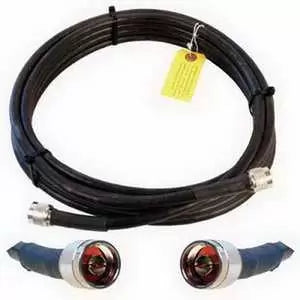
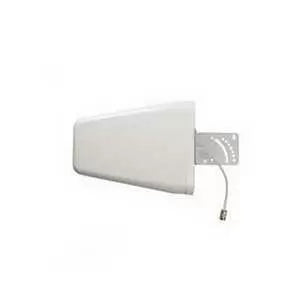
Upgrade External Aerial
Higher Gain Yagi Antenna - For better performance it's a must if indoor your phone with 1/2 signal bars. Or get this upgrade if outdoor best signal strength in the following range:2G (GSM) -76 to -90 dBm
3G (UMTS) -80 to -94 dBm
4G (LTE) -97 to -105 dBm
How to shown dBm reading on phone? Check Quick Start Guide
Upgrade Protector
Lightning Surge Protector - Designed to Protect your equipment from high amperage surges due to lightning strikes on aerials or masts in close proximity to the device. This unit is rated for 18KA of current surge and is very simple to install on any device.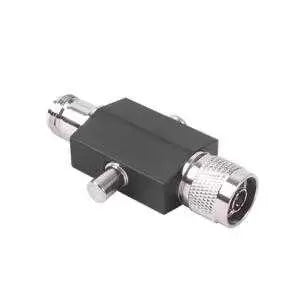
Specification
| Application & Bands | [Voice Calls & 3G & 4G LTE] (Band 8, 3, 1) |
| Country | United Kingdom |
| Boost All On | EE (2G & 3G & 4G) O2 (2G & 3G) Vodafone (2G & 3G) Three (3G & 4G) Asda (2G & 3G & 4G) BT (2G & 3G & 4G) Freedom Pop (3G & 4G) Giffgaff (2G & 3G) iD Mobile (3G & 4G) Lebara (2G & 3G) Lycamobile (2G & 3G) Orange (2G & 3G & 4G) Plusnet Mobile (3G & 4G) Sky Mobile (2G & 3G) Smarty Mobile (2G & 3G & 4G) Talkmobile (2G & 3G) TalkTalk (2G & 3G) Tesco (2G & 3G) The People's Operator (2G & 3G & 4G) T-Mobile (2G & 3G & 4G) Virgin (2G & 3G & 4G) |
| Users Supporting | 25 Simultaneously |
| Band | Tri Band 8 & 3 & 1 |
| Frequency | 900 & 1800 & 2100MHz |
| Gain(dB) | Uplink Gp≥55; Downlink Gp≥60 |
| Up-link | 890~915 MHz; 1710~1785 MHz; 1930~1990 MHz |
| Down-link | 935~960 MHz; 1805~1880 MHz; 2110~2180 MHz |
| Export Power(Po) | ≥17dBm |
| Power Adapter | Input: AC 100V~240V 50/60Hz; Output: DC 5V |
| What’s Included | 1 x Booster 1 x Outdoor Antenna 1 x Indoor Antenna 1 x UK Type Power Adapter 1 x 10 Meters Outdoor Cable 1 x 5 Meters Indoor Cable |
Custom your solution
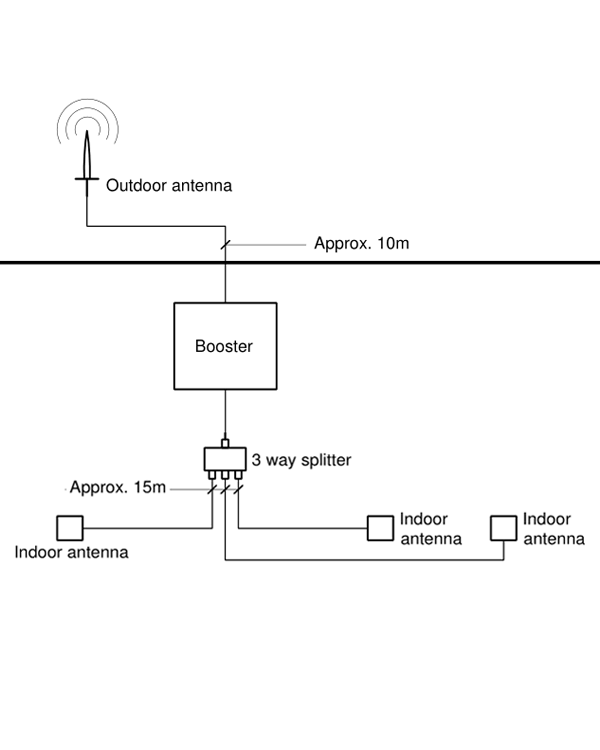
Expandable coverage by adding indoor antenna if the outside signal is strong.
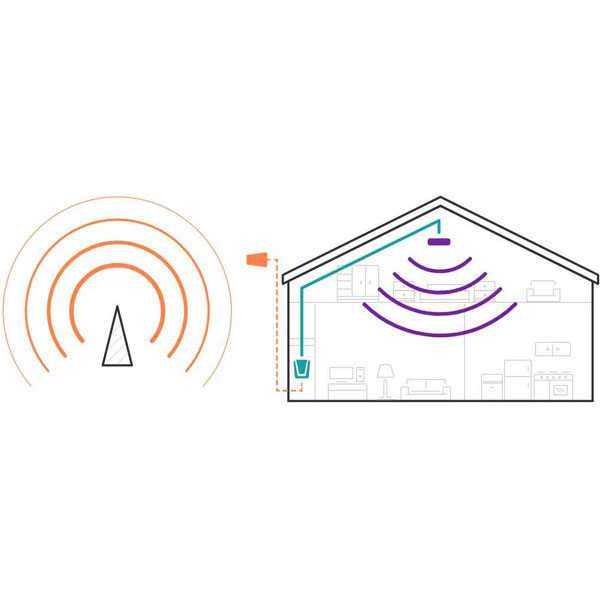
How It Works
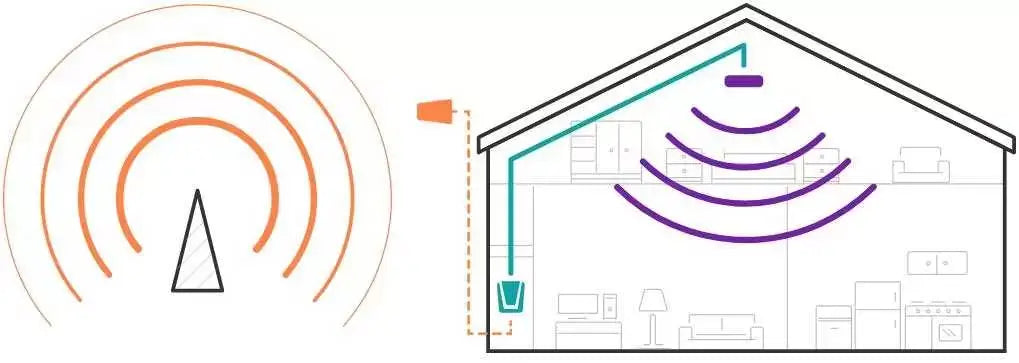
1
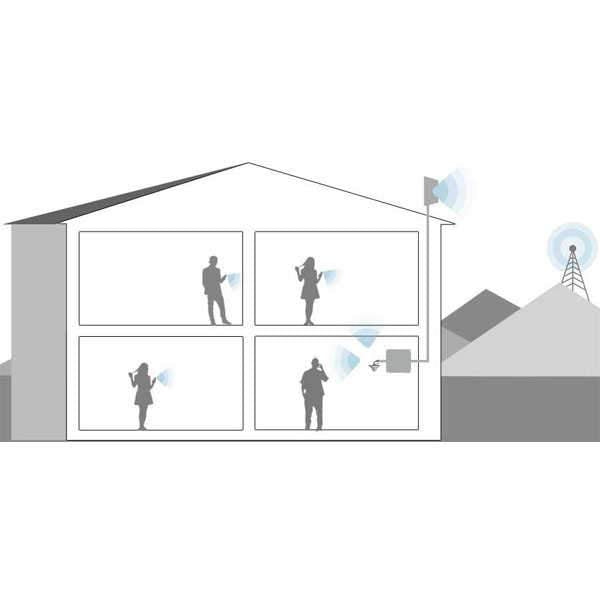
The powerful antenna reaches out to access a voice and 3G, 4G, and LTE data signal, and delivers it to the booster
2
The booster receives the signal, amplifies it, and serves as a relay between your phone and the nearest cell tower.
3
Your devices get increased cell reception, and calls and data are fed through the booster back to the network.
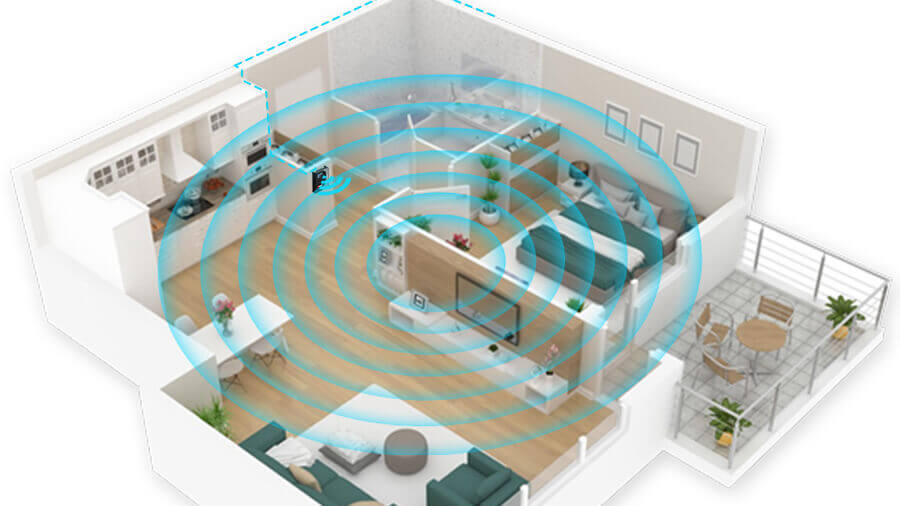
Get stronger signal
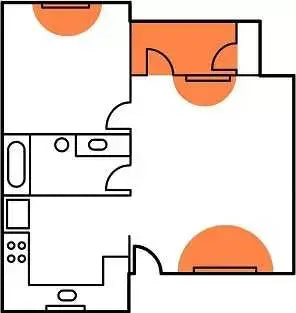
Normal Cell Coverage
Dropped calls and slow data are generally caused by three things: distance from a cell tower, building materials in your home or office, or obstruction from tall objects such as trees, topography, and buildings.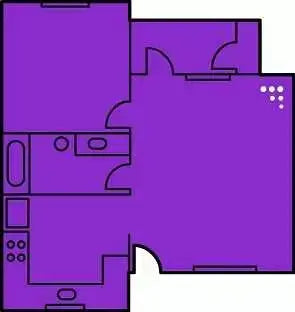
Signal Coverage with our booster
Signal boosters increase cell signal by collecting signals with a powerful antenna, delivering those signals to the booster, amplifying the cell signals so your devices receive them, and delivering your device's boosted signals back to the cell tower.Installation
- Connect the indoor antenna to the MS port.
- Connect the outdoor antenna to the BS Port.
- Install the outdoor antenna and keep a minimum vertical distance of 10 meters from the indoor antenna.
- Point the outdoor antenna to the direction where you know there is possibly a higher signal strength from the base station.
- Power on the booster and check the signal strength.
- Adjust the outdoor antenna until you get the best signal strength.
IMPORTANT NOTE:
DO NOT POWER ON THE DEVICE UNTIL YOU HAVE COMPLETED THIS SETUP.
Read more about User Manual Documentation.
Application Scenarios

Home

Office

Garage

Metal Buildings
tri band mobile signal booster band 8 3 1 900 1800 2100mhz uk all four operators ee o2 vodafone three £435, gdw250 tri band 2g voice 4g lte 3g umts data booster 250m² ee o2 vodafone three uk 55 60db, all network mobile booster calls 3g and 4g data combined 900 1800 2100mhz three four bed house uk £435, band 8 band 3 band 1 tri frequency booster ee o2 vodafone three full operator coverage uk 250m², best tri band mobile booster uk 2026 £435 ee 4g o2 vodafone calls three 3g 4g 250 sqm house
gdw250 booster price £435 tri band calls 3g 4g data uk free delivery 10 15 days | ee o2 vodafone three all operator tri band signal booster 250m² house shop café bar uk | 8dBi yagi directional outdoor antenna booster 900 1800 2100mhz tri band uk aim at mast | ofcom exempt tri band booster 2g voice 3g 4g lte combined 25 simultaneous users uk | diy tri band booster 30 60 min drill screwdriver spanner ladder no engineer uk | band 8 band 3 band 1 tri frequency repeater home office garage metal building uk 250m² | n type connector low loss coax 10m outdoor 5m indoor tri band signal booster uk | ac 100 240v uk 3 pin dc 5v tri band booster ee o2 vodafone three all networks uk
what is the difference between tri band 8 3 1 and dual band 8 3 mobile booster uk | why do i need both 3g and 4g data boosted indoors if my phone already shows 4g uk | why does o2 vodafone get no 4g on a 900 1800 2100mhz tri band booster uk | how does a tri band booster combine 2g voice 3g and 4g lte data in one unit uk | why is tri band gain 55 60db lower than single band 75db booster rf split uk | do i need 1 2 bars outdoor signal for the gdw250 tri band booster uk | can the gdw250 tri band booster cover a 3 4 5 bedroom house and small shop uk 250m² | is the gdw250 £435 worth it over buying gd250 £235 and gw250 £235 separately uk
gdw250 vs gd250 gw250 buy one tri band unit or two separate dual band boosters uk | gdw250 £435 vs gd250 £235 plus gw250 £235 combined total cost uk worth it | tri band booster vs femtocell vs wifi calling for ee o2 vodafone three uk | why ee customers get 2g 3g 4g but o2 vodafone three only partial service uk | yagi directional vs omni antenna tri band booster weak fringe signal uk | gdw250 vs l250 4g only booster do i still need 2g voice and 3g fallback uk | all four operators tri band booster vs single carrier booster multi sim household uk | tri band 8 3 1 booster vs band 20 800mhz booster for o2 vodafone 4g uk
Why You'll Love It
Powerful Signal Boost
Easy Installation
Networks Supported
Fast Speeds
Crystal Clear Calls
Wide Coverage Area

Award-Winning Signal Booster
2026 Winner
Smart Features, Made Simple
Easy Setup
Smart Technology
Energy Efficient
Reliable Performance
24/7 Support
Secure & Safe
- Choosing a selection results in a full page refresh.
